When Should You Aerate Your Lawn in North Texas?
Christopher Grice • October 20, 2026
The best time to aerate your lawn in North Texas is generally late spring to early summer, typically between May and June. During this period, warm-season grasses such as Bermuda, St. Augustine, and zoysia are actively growing and can recover more effectively from aeration. However, the ideal timing depends on your grass type, soil moisture, and overall lawn condition.
In Sherman and surrounding Grayson County communities, compacted clay soil can make it difficult for grass roots to access water, oxygen, and nutrients. Lawn aeration helps reduce this compaction and creates better conditions for healthy growth. Understanding when and how to aerate can help you make the most of this important lawn care service.
When Is the Best Time to Aerate Your Lawn in North Texas?
Late spring and early summer offer favorable conditions for aerating most warm-season lawns in North Texas. Once grass has fully greened up and begun growing steadily, it can recover more effectively from the temporary disturbance caused by aeration. However, the time of year isn't the only factor to consider.
Signs Your Lawn Is Ready for Aeration
Before scheduling aeration, check whether your lawn has the right growing conditions. Aerating too early or during periods of stress can reduce its effectiveness and slow turf recovery. Look for the following signs:
- Active growth: The grass has fully greened up and is growing consistently.
- Suitable soil moisture: The soil is slightly moist without being muddy or saturated.
- Healthy grass: Your lawn isn't struggling with severe drought, disease, or pest damage.
- Favorable weather: Temperatures support continued growth without extreme heat or prolonged dry conditions.
Best Aeration Timing by Grass Type
Bermuda, St. Augustine, and zoysia are common warm-season grasses in North Texas, but they don't all grow or recover at the same rate. Choosing the right aeration window helps minimize stress and gives the grass time to recover. The following table provides a general seasonal guide.
| Grass Type | Best Time to Aerate | Key Consideration |
|---|---|---|
| Bermuda | May to June | Aerate once the grass is growing vigorously |
| St. Augustine | Late May to June | Wait until the turf has recovered from winter dormancy |
| Zoysia | Late May to early July | Allow additional recovery time because growth may be slower |
These windows can shift depending on spring temperatures, rainfall, and turf health. Active growth and suitable soil conditions should determine the final scheduling decision.
Why North Texas Lawns Benefit From Core Aeration
Clay-rich soils are common in parts of Sherman and Grayson County, and these soils can become compacted from foot traffic, lawn equipment, and regular property use. As the soil becomes denser, water and oxygen have less space to move through the ground. This can limit root development and make it harder for grass to withstand seasonal stress.
Core aeration addresses this issue by removing small plugs of soil and creating openings across the lawn. These openings improve soil conditions without requiring major changes to the existing turf. Understanding the signs of compaction and how aeration works can help determine whether your lawn needs treatment.
Common Signs of Compacted Clay Soil
Compacted soil doesn't always look obvious from the surface. However, your grass may show signs that water and oxygen aren't reaching the roots effectively. Some common indicators include:
- Water pooling or running off instead of soaking into the soil.
- Hard ground that becomes difficult to penetrate during dry weather.
- Thin or uneven grass in areas with frequent foot traffic.
- Shallow root growth and poor resistance to dry conditions.
- Areas where grass struggles despite consistent maintenance.
These symptoms can also have other causes, including drainage problems, inadequate sunlight, or improper irrigation. A lawn evaluation can help determine whether compaction is contributing to the problem.
How Core Aeration Improves Soil Conditions
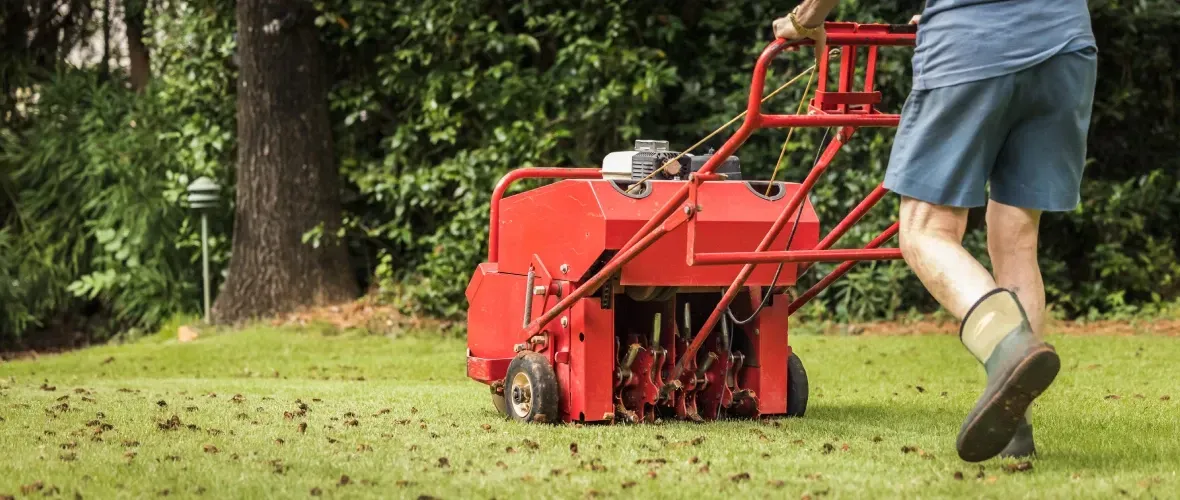
Core aeration uses specialized equipment to remove small cylindrical plugs of soil from the lawn. Unlike spike aeration, which simply pushes holes into the ground, core aeration physically removes soil to reduce compaction. The openings create temporary pathways that help water and air reach the root zone.
As the lawn continues growing, roots can gradually expand into these spaces. The removed soil plugs are typically left on the surface, where they naturally break apart over time. Benefits may include:
- Improved water absorption: Helps reduce surface runoff in compacted areas.
- Better air exchange: Allows more oxygen to reach the root zone.
- Healthier root development: Creates improved conditions for root growth.
- Reduced compaction: Relieves pressure in dense surface soil.
- More effective lawn care: Supports water movement into the soil.
What Else Should You Know Before Aerating Your Lawn?
Aeration can improve growing conditions, but it isn't a complete solution for every lawn problem. Some properties may also need adjustments to watering, fertilization, or other maintenance practices. It's important to understand which treatments work together and which address different problems.
Core Aeration vs. Dethatching
Core aeration and dethatching are different lawn care treatments. Aeration focuses on reducing compacted soil, while dethatching removes excessive buildup of dead and living organic material between the grass and soil surface.
A small amount of thatch is normal, but excessive buildup can interfere with water movement. If thatch is the main concern, aeration alone may not provide the results you're expecting.
Should You Overseed After Aeration?
Overseeding can help certain lawns become denser, but it isn't necessary or appropriate for every grass type. Bermuda lawns established from seed may benefit from compatible seed when additional coverage is needed.
St. Augustine and many zoysia lawns are generally repaired using sod or plugs instead. The best option depends on the existing turf, growing conditions, and reasons behind thinning areas.
Should You Aerate Your Lawn Yourself?
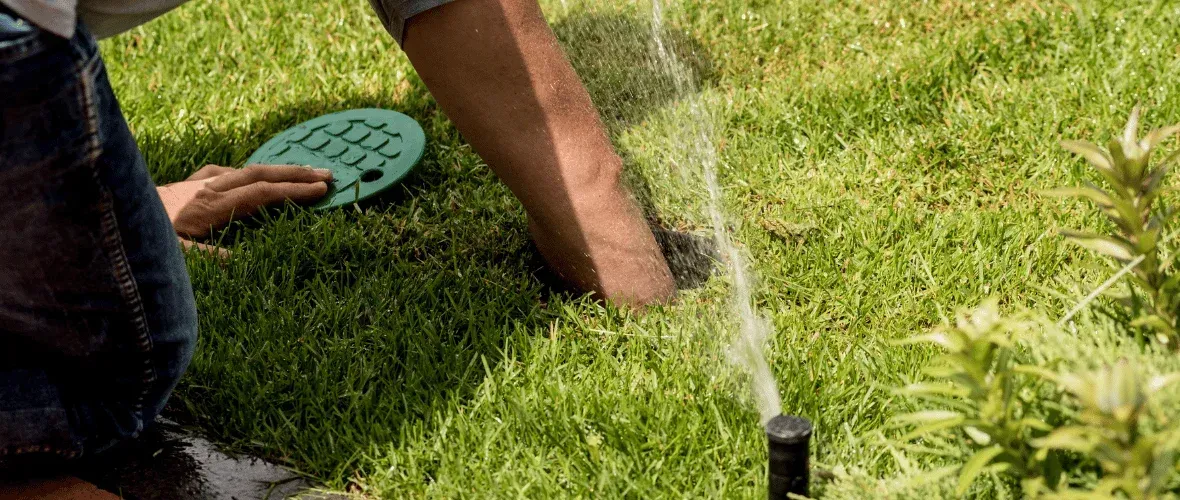
Although homeowners can rent core aeration equipment, the process requires proper timing, suitable soil moisture, and careful handling around irrigation components. Heavy equipment can also be difficult to operate across uneven or compacted properties.
Professional lawn aeration services can help ensure the treatment is appropriate for your grass and soil conditions. This is particularly useful for larger lawns, commercial properties, and areas with significant compaction.
Professional Lawn Aeration Services in Sherman, TX
At Flying G Ag Solutions, we help residential and commercial property owners improve lawn conditions through professional aeration and ongoing turf care. We understand the challenges that North Texas soils and changing weather conditions can create. Our approach focuses on identifying your lawn's needs and recommending practical treatments that support healthy growth.
Our lawn aeration services in Sherman, TX include evaluating turf conditions, performing core aeration, considering overseeding where appropriate, and providing post-service care recommendations. We also offer lawn fertilization, irrigation, and maintenance services to support your property's overall condition.
Schedule Your Lawn Aeration Service in Sherman, TX
Knowing when to aerate your lawn in North Texas can help you improve soil conditions and support healthier grass throughout the growing season. Our professional lawn aeration services address compacted soil while considering your property's specific needs. Whether you maintain a residential lawn or a commercial landscape, we can help you choose the right time and treatment. Contact us today to schedule your lawn aeration service in Sherman, TX, and give your grass a better foundation for healthy growth.
Frequently Asked Questions About Lawn Aeration
Can you aerate your lawn in the fall in North Texas?
Fall isn't usually recommended for Bermuda, St. Augustine, or zoysia lawns because their growth slows as temperatures drop. Late spring and early summer are generally better.
How often should you aerate your lawn in Texas?
Heavily compacted lawns may benefit from annual aeration. Lawns with healthy soil and limited traffic may need it less frequently.
Should you water your lawn before aeration?
Yes, if the soil is dry. Slightly moist soil allows aeration equipment to remove plugs more effectively, but avoid watering until the ground becomes muddy.
Does aeration help thin or patchy grass?
It can help when soil compaction is contributing to poor growth. However, thin grass caused by shade, pests, or disease may require different treatments.
How long does it take a lawn to recover after aeration?
Healthy, actively growing warm-season grass generally recovers over the following weeks. Recovery depends on grass type, weather, and proper lawn care.
Recent Posts