How to Prepare Your Property for a Landscaping or Land Improvement Project in Texoma
Christopher Grice • September 14, 2026
A successful outdoor project begins before equipment or materials arrive. Preparing your property for a landscaping project helps identify access issues, uneven ground, unwanted vegetation, and other conditions that could delay the work. Early planning also gives contractors a clearer understanding of the property and the intended result.
Properties across Texoma vary in size, slope, soil condition, and vegetation. These factors can affect landscaping, turf installation, driveway work, and other land improvements. Reviewing the site before work begins can reduce delays and prevent completed areas from being disturbed later.
Define Your Project Goals
Start by deciding how you want the finished property to look and function. Your goal may be to establish a lawn, clear an overgrown area, improve access, or create more usable outdoor space. A clear objective makes it easier to determine which steps and services should come first.
Consider whether the project includes:
- Brush or land clearing
- Grading or dirtwork
- Driveway preparation
- Hydroseeding or sod installation
- Irrigation adjustments
- Landscape improvements
Identifying the full scope helps create a more efficient project sequence. It can also prevent landscaping or turf from being installed before heavier land work is completed. Discussing future plans early may save time and money if the property will be improved in phases.
Inspect the Property
Walk the entire project area and note anything that may affect the work. Look for low spots, uneven ground, thick vegetation, exposed roots, rocks, old stumps, and areas that remain wet after rain. These conditions may influence how the property is cleared, graded, or prepared.
Existing features should also be identified, including:
- Fences and gates
- Irrigation components
- Septic systems and wells
- Utility equipment
- Buildings and storage areas
- Trees or plants that should remain
Taking photographs can help document the property’s current condition. Photos also make it easier to explain priorities and problem areas during the initial consultation. Marking features that should remain can help protect them once equipment enters the site.
Confirm Boundaries and Utilities
Property lines should be confirmed before clearing, grading, or dirtwork begins. Existing fences may not always follow the exact legal boundary, especially on larger or older properties. Clear boundaries reduce the risk of work extending into neighboring land.
Underground utilities should also be located before any soil is disturbed. Private irrigation lines, septic components, propane lines, electrical connections, and water lines may need to be marked separately. Identifying these systems protects existing infrastructure and helps crews choose safer equipment routes.
Create Clear Equipment Access
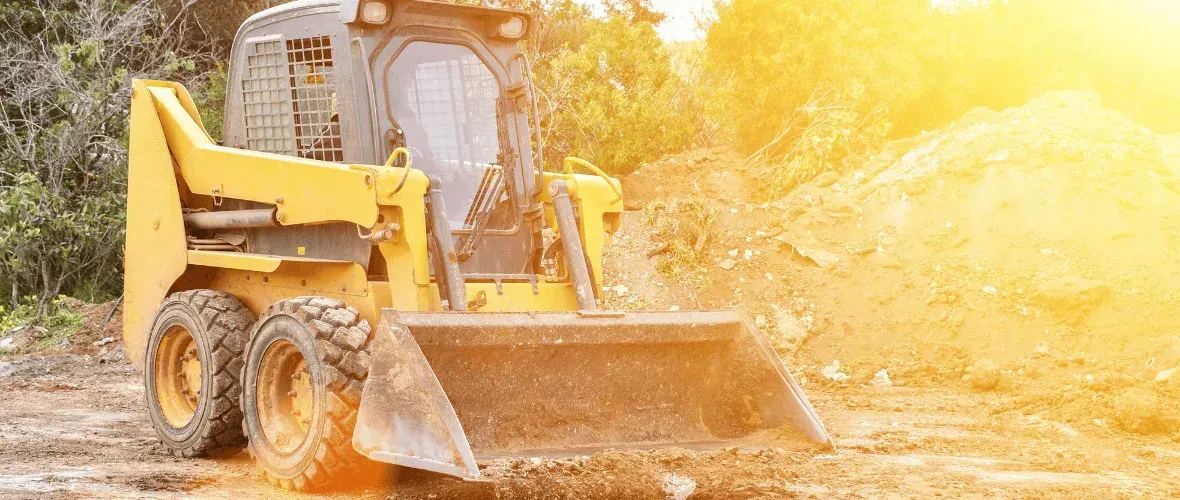
Trucks, trailers, skid steers, and material deliveries need enough space to enter and move safely. Narrow gates, low branches, soft ground, steep entrances, and overhead wires can affect the project plan. Discussing these limitations in advance helps prevent delivery problems and equipment delays.
Before the scheduled work date:
- Move vehicles and trailers
- Remove outdoor furniture and decorations
- Unlock gates
- Keep pets and livestock away
- Mark septic fields or restricted areas
- Identify a location for materials and equipment
Proper access helps protect areas outside the main project zone. It also allows materials to be placed closer to the work area, reducing unnecessary movement across the property. A clear staging location can make the project more organized from start to finish.
Complete Clearing and Grading First
Overgrown vegetation can hide holes, rocks, debris, and uneven ground. Clearing the property first provides a better view of the site and creates room for grading, driveway preparation, hydroseeding, sod, or other improvements. Trees, plants, or natural features that should remain must be marked before clearing begins.
Grading should be addressed before finished landscaping is installed. Poor grading may leave low spots, difficult mowing areas, erosion, or water moving toward structures. Correcting the ground first creates a more stable surface for later improvements.
| Property Condition | Possible Concern |
|---|---|
| Standing water | Low or poorly shaped ground |
| Soil washing away | Concentrated runoff |
| Uneven mowing surface | Settlement or poor preparation |
| Water near a building | Incorrect slope |
| Persistent muddy areas | Compaction or drainage concerns |
The goal is not always to make the land completely flat. Properly planned slopes can support water movement while creating a more usable property. The final grade should match how the area will be used and maintained.
Coordinate Irrigation and Soil Preparation
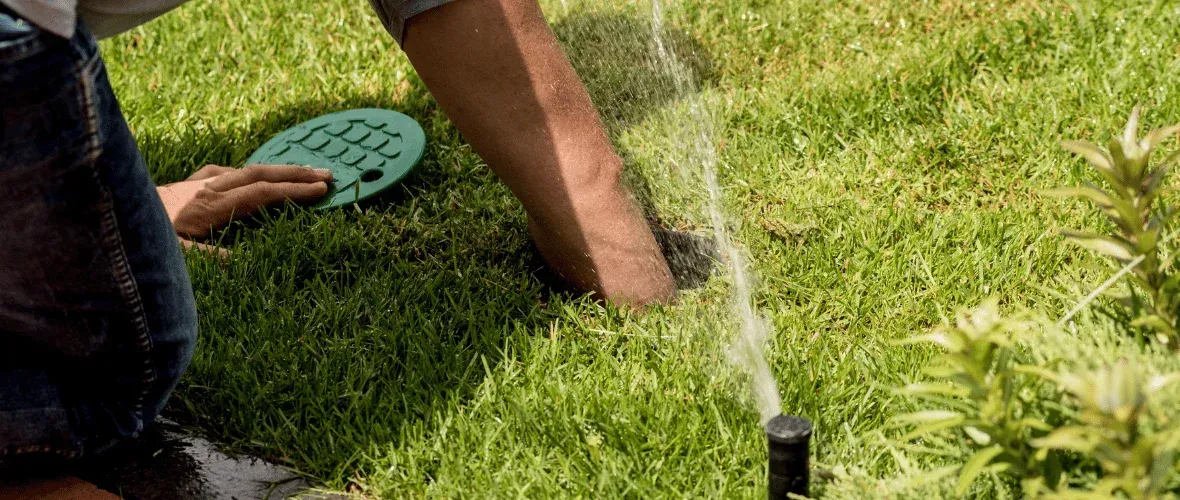
Irrigation changes should be completed before new turf or landscaping is installed. Making adjustments afterward may require cutting into newly finished areas. Sprinkler heads and watering zones should be planned around the final property layout.
The soil may also need to be cleared, loosened, shaped, or smoothed before installation. The exact preparation depends on the material or improvement being added. Proper soil preparation helps turf and landscape areas establish more evenly.
- Sod requires a smooth, properly graded surface.
- Hydroseeding requires suitable soil contact.
- Driveways need a stable and prepared base.
- Landscape areas need defined boundaries and cleared soil.
Completing these steps first gives the finished project a stronger foundation. It also reduces the risk of uneven turf, unstable surfaces, or damaged irrigation components. Soil and irrigation conditions should be reviewed together before installation begins.
Follow the Correct Project Sequence
Although every property is different, many land improvement projects follow a similar order. Completing heavy land work before finished landscaping protects new materials from unnecessary damage. It also reduces the chance that equipment will need to cross newly installed turf.
- Mark property lines, utilities, and protected areas.
- Clear brush, debris, and unwanted vegetation.
- Complete dirtwork and grading.
- Install or adjust irrigation.
- Prepare the final soil surface.
- Install turf or landscape materials.
Following the correct sequence keeps the work organized and easier to manage. It can also help property owners understand what needs to happen before materials are ordered or delivered. Weather and site conditions may affect the schedule, but the overall order should remain consistent.
Prepare Your Texoma Property for the Work Ahead
Good preparation can make a landscaping or land improvement project more efficient and easier to maintain. Access planning, clearing, grading, irrigation, and soil preparation should all support the final use of the property. Addressing these steps early creates a better starting point for the entire project.
Flying G Ag Solutions helps property owners throughout Sherman and the Texoma region prepare land for outdoor improvements. Each property requires a plan based on its current condition, access, and intended use.
Contact us today to discuss your property and create a practical plan for the work ahead.
Recent Posts