Hydroseeding vs. Sod vs. Overseeding in Sherman, TX: Which Is Right for Your Lawn?
Christopher Grice • September 7, 2026
Bare spots, thinning grass, and widespread turf damage can make it difficult to know how to restore your lawn. Three common options are hydroseeding, sod installation, and overseeding, but each one solves a different type of problem. The right choice depends on how much healthy grass remains, how quickly you want coverage, and how much maintenance you can provide during establishment.
Comparing Lawn Restoration Options
Before choosing between hydroseeding, sod, and overseeding, consider the current condition of the entire lawn. A mostly healthy yard with scattered thin areas usually requires a different approach than bare soil or severely damaged turf. Irrigation coverage, soil quality, sunlight, and the time of year also affect which option is most likely to succeed.
| Lawn Restoration Method | Best For | Establishment Speed | Initial Cost |
|---|---|---|---|
| Hydroseeding | Large bare or newly graded areas | Moderate | Moderate |
| Sod | Lawns needing immediate coverage | Fast | Higher |
| Overseeding | Existing lawns with thinning turf | Gradual | Lower |
What Is Hydroseeding?
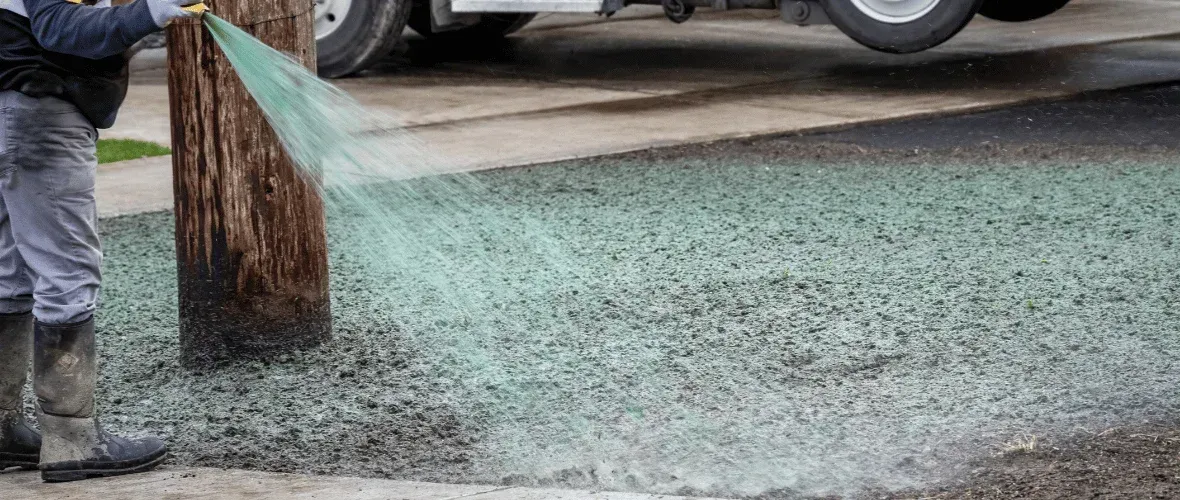
Hydroseeding applies a mixture of grass seed, mulch, fertilizer, and water across prepared soil. The mixture helps distribute seed evenly and provides temporary protection while germination begins. It is commonly considered for large areas where traditional hand seeding would be inefficient.
Hydroseeding does not create an instant lawn. The seeded area must remain consistently moist, and foot traffic should be limited while the grass becomes established. Results also depend heavily on soil preparation, irrigation coverage, grass selection, and seasonal timing.
When Hydroseeding May Make Sense
Hydroseeding may be appropriate when:
- Most of the existing lawn has been removed
- A large area contains exposed, prepared soil
- The property can be watered frequently
- The homeowner can wait for the lawn to fill in
- A lower initial cost than sod is important
The hydroseeding cost in Texas can vary based on lawn size, seed type, soil preparation, access, and watering requirements. Homeowners should compare the complete establishment process rather than looking only at the initial application price.
What Is Sod?
Sod consists of mature grass and soil that has been grown elsewhere, cut into sections, and installed over prepared ground. It provides immediate green coverage and can help stabilize bare soil faster than seed-based methods. However, the roots still need time to grow into the soil beneath the sod.
Sod generally has the highest initial cost because homeowners are paying for mature turf, transportation, site preparation, and installation. Newly installed sod also requires careful watering to prevent gaps, shrinking, or root failure. Poor grading or inconsistent irrigation can create problems even when the sod initially looks healthy.
When Sod May Be the Better Choice
Sod may be worth considering when:
- Immediate coverage is the main priority
- Most of the lawn is bare or severely damaged
- Erosion control is urgently needed
- The property has dependable irrigation
- The budget allows for higher material and installation costs
When comparing sod vs. seed in North Texas, sod offers speed while seed offers lower upfront material costs. Neither option eliminates the need for proper watering, soil preparation, mowing, and long-term lawn care.
What Is Overseeding?
Overseeding spreads grass seed over an existing lawn to improve turf density and fill thin areas. Unlike hydroseeding or sod installation, it is usually intended for lawns that still contain a substantial amount of healthy grass. It can improve overall coverage without removing and replacing the entire yard.
Successful overseeding often begins with mowing, soil evaluation, and aeration to improve contact between the seed and soil. Watering must then be adjusted to keep the seed moist without creating runoff or standing water. Regular mowing, fertilization, and weed management help support the lawn after the new grass becomes established.
When Overseeding Is the Right Fit
Overseeding may be appropriate when:
- The lawn is thin but not completely bare
- Small patches have developed between healthy grass
- Heavy use has reduced turf density
- The soil is compacted
- The goal is gradual improvement rather than immediate replacement
Overseeding cannot correct every lawn problem. Areas affected by severe shade, irrigation failures, drainage issues, or unsuitable soil conditions may continue to decline until the underlying cause is addressed.
Which Option Is Best for Your Sherman Lawn?
The extent of the damage is usually the best place to start. Minor thinning may respond well to overseeding and ongoing lawn care, while widespread bare soil may require a more extensive restoration method. Lawns with severe weeds, compaction, or watering problems may need corrective work before new grass is introduced.
Use this general guide when comparing lawn restoration options in Sherman, TX:
| Current Lawn Condition | Option to Consider |
|---|---|
| Mostly healthy with thin areas | Overseeding |
| Large areas of prepared bare soil | Hydroseeding |
| Nearly complete turf loss | Sod or hydroseeding |
| Compacted soil with weak growth | Aeration and overseeding |
| Uneven watering or recurring dry spots | Irrigation evaluation first |
| Heavy weed pressure | Weed control before restoration |
Factors That Affect the Final Decision
No lawn restoration method succeeds through installation alone. North Texas heat, irregular rainfall, clay-heavy soil, and weed pressure can affect germination and root development. The following conditions should be reviewed before selecting a method:
- Existing turf: Determine how much healthy grass remains.
- Soil condition: Compacted or poor soil can restrict root growth.
- Irrigation coverage: New grass requires consistent and even watering.
- Sun exposure: Seed and sod must match the site’s available sunlight.
- Seasonal timing: Grass establishes more reliably during its active growing period.
- Maintenance capacity: Consider how frequently the lawn can be watered and monitored.
Correcting these conditions first can prevent homeowners from spending money on new grass that struggles for the same reasons the previous lawn declined.
Build a Stronger Lawn With the Right Plan
Choosing between hydroseeding, sod, and overseeding starts with understanding what caused the lawn to thin or fail. For many Sherman properties with existing turf, aeration, overseeding, soil treatments, irrigation improvements, and seasonal lawn care can restore density without replacing the entire yard.
Flying G Ag Solutions can evaluate your lawn’s condition and develop a care plan based on its grass, soil, weeds, and watering needs.
Contact us today to discuss practical ways to improve the health and appearance of your Sherman, TX lawn.
Recent Posts