When Is the Best Time to Fertilize Your Lawn in North Texas? A Seasonal Fertilization Schedule
Christopher Grice • August 31, 2026
Knowing when to fertilize a lawn in Texas is important because North Texas grass has different needs throughout the year. Warm-season varieties such as Bermuda, St. Augustine, and zoysia grow actively during spring and summer before slowing down in fall. Fertilization should follow this growth cycle while accounting for weeds, soil conditions, rainfall, and heat stress.
North Texas Lawn Fertilization Schedule
The best fertilization schedule for a Sherman, TX lawn depends on weather, grass type, and the current condition of the turf. Applications should be based on active growth rather than calendar dates alone.
| Season | General Timing | Lawn Care Focus |
|---|---|---|
| Winter | January through February | Pre-emergent weed control and soil evaluation |
| Early spring | March through early April | Weed control and preparation for green-up |
| Late spring | April through May | First main fertilizer application |
| Summer | June through August | Measured feeding based on growth and heat stress |
| Early fall | September | Final active-season fertilizer application |
| Late fall | October through November | Pre-emergent weed prevention |
Winter and Early Spring
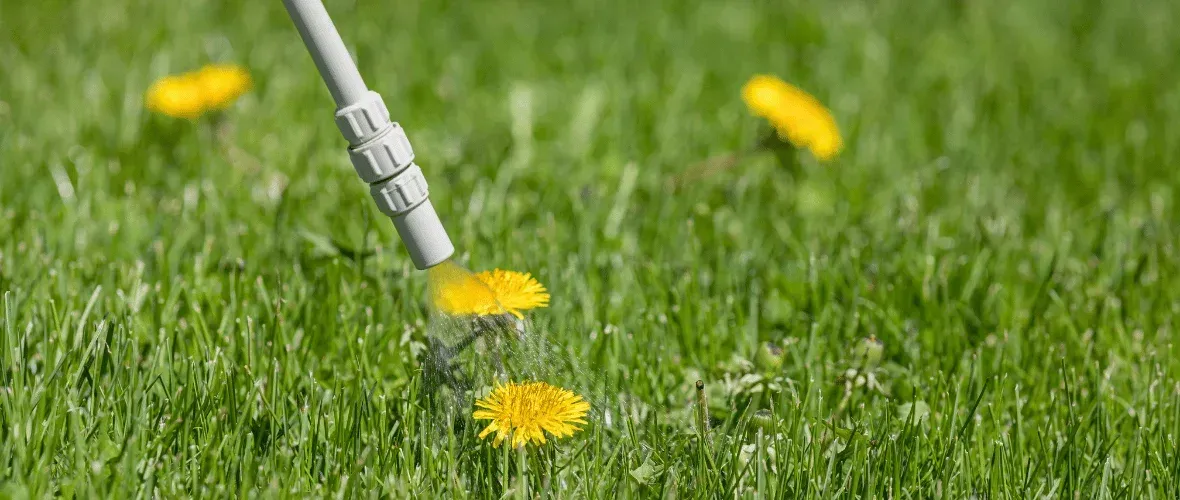
Warm-season grass uses very little fertilizer while dormant. Applying nitrogen during winter or before full spring green-up may feed weeds rather than improve the lawn. Pre-emergent treatments and existing weed control are usually more important during this period.
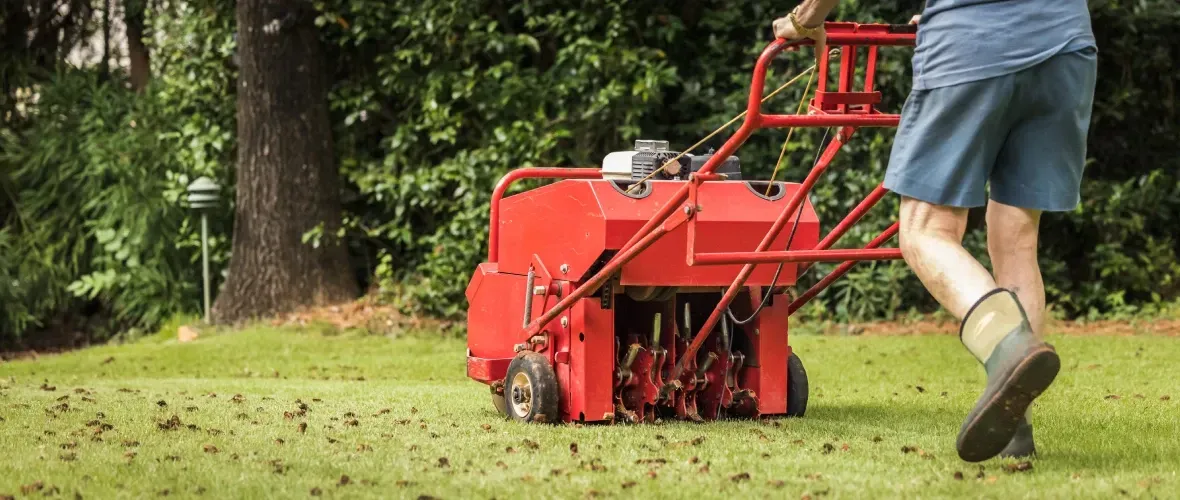
The lawn should be mostly green and actively growing before the first fertilizer application. Early spring is also a good time to check for compacted soil, bare areas, drainage problems, and uneven growth. These conditions may need attention before fertilizer can produce noticeable results.
Late Spring: Begin Fertilization
Late spring is generally the best time to fertilize grass in Texas for the first time each year. By April or May, North Texas lawns are usually growing steadily and can use the nutrients being applied. This feeding supports stronger color, denser turf, and recovery from winter dormancy.
The application rate should match the grass type. Bermuda may require more nitrogen than St. Augustine or zoysia, but applying too much can create excessive growth, frequent mowing, nutrient runoff, and increased disease pressure.
Summer: Adjust to Heat and Growth
A second application may be beneficial in June when the lawn is actively growing and receiving enough water. Fertilizer should not be applied to severely drought-stressed, diseased, or damaged grass. These problems should be identified before another feeding is added.
July and August often bring intense heat to Sherman and Grayson County. Pale or thinning grass does not always indicate a nutrient deficiency because poor irrigation coverage, compacted soil, weeds, or disease may cause similar symptoms. Summer fertilizer applications should therefore be measured and based on the lawn’s actual condition.
Early Fall: Complete the Final Feeding
The final fertilizer application is generally completed in late summer or early fall while the grass is still growing. Applying nitrogen too late may encourage tender growth as the lawn begins preparing for dormancy. The treatment should be completed well before the first expected frost.
Fall is also an important time for pre-emergent weed control. Coordinating weed prevention with the final feeding can help reduce winter weeds without overloading the lawn with unnecessary treatments.
Fertilization Needs by Grass Type
Different grasses require different levels of nutrition. Identifying the turf type helps prevent underfeeding, excessive growth, and unnecessary applications.
| Grass Type | Fertilization Needs | Main Consideration |
|---|---|---|
| Bermuda | Moderate to high | May require more frequent mowing after feeding |
| St. Augustine | Moderate | Excess nitrogen can increase disease pressure |
| Zoysia | Low to moderate | Usually requires less nitrogen than Bermuda |
| Overseeded turf | Varies | Treatments must account for both grass types |
Common Fertilization Mistakes
Poor timing and overapplication can damage turf or waste fertilizer. Avoid these common mistakes:
- Fertilizing while warm-season grass is dormant
- Applying nitrogen before full spring green-up
- Using the same fertilizer rate for every grass type
- Feeding drought-stressed or diseased turf
- Applying fertilizer immediately before heavy rain
- Fertilizing too close to the first expected frost
- Ignoring weeds, compacted soil, or irrigation problems
Plan Fertilization Around the Lawn’s Needs
The best time to fertilize a North Texas lawn begins after warm-season grass has fully greened up. Most lawns benefit from a late-spring application, carefully timed summer feeding, and a final early-fall treatment. Flying G Ag Solutions can help build a lawn care schedule around your grass type, soil conditions, weed pressure, and seasonal growth.
Contact us today to plan seasonal lawn care for your Sherman or Grayson County property. A lawn-specific fertilization schedule can support thicker turf, more consistent color, and healthier growth throughout the North Texas growing season.
Recent Posts