Fall Lawn Care in Sherman, TX: What North Texas Lawns Need Before Winter
Christopher Grice • August 12, 2026
Fall lawn care in Sherman, TX helps lawns recover from summer stress and prepare for slower winter growth. As temperatures drop, mowing needs change, winter weeds begin developing, and irrigation schedules may need to be adjusted. Completing the right seasonal tasks can also support healthier spring recovery.
Warm-season grass often enters fall with signs of heat stress, thin areas, or uneven growth. Addressing these concerns before dormancy can help reduce weed pressure and moisture problems during winter. A well-timed fall lawn care plan also keeps the property looking cleaner as growth slows.
Fall Lawn Care Checklist for North Texas
| Fall Lawn Care Task | Why It Matters |
|---|---|
| Continue mowing | Keeps grass even while growth slows |
| Apply weed control | Helps reduce winter weed growth |
| Review fertilization | Prevents unnecessary late-season growth |
| Adjust irrigation | Reduces overwatering in cooler weather |
| Consider aeration | Helps relieve compacted soil |
| Remove leaves | Protects sunlight and airflow |
The right fall lawn care plan depends on the grass type, soil condition, irrigation coverage, and overall health of the property. Some lawns may need more attention after a particularly hot or dry summer. Others may only require basic maintenance and seasonal adjustments.
Keep Mowing Until Growth Slows
North Texas grass may continue growing well into fall, so mowing should not stop as soon as temperatures cool. Consistent mowing helps prevent overgrowth and reduces the stress caused by removing too much grass at one time. It also keeps the lawn looking even as the growing season comes to an end.
As growth slows, mowing frequency can gradually decrease. The goal is to maintain a healthy height without cutting the grass too short before dormancy. Fall mowing should also include:
- Edging along driveways and walkways
- Trimming around trees and landscape beds
- Clearing clippings from hard surfaces
Control Winter Weeds Early
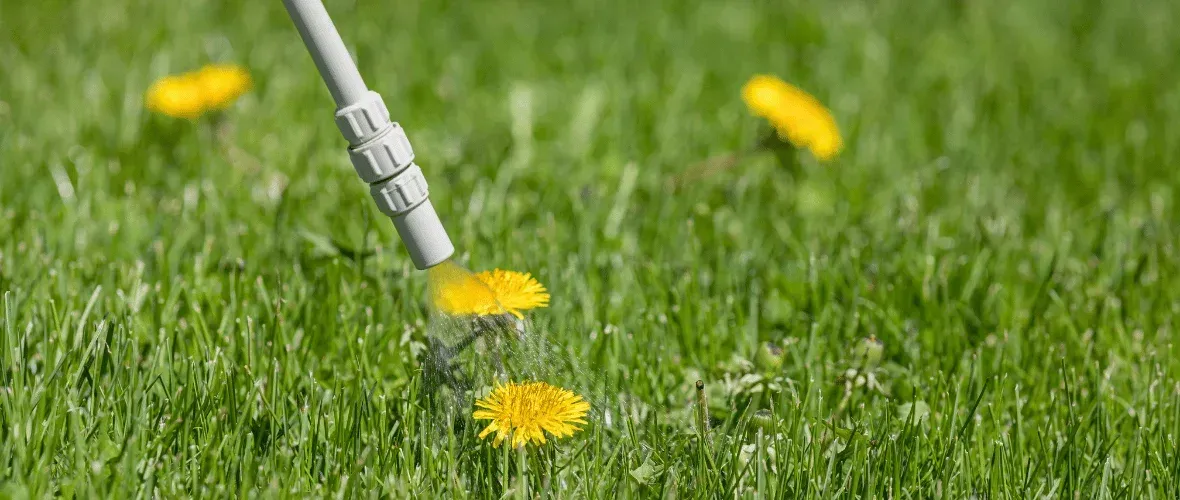
Many winter weeds begin germinating during fall before they become visible. A properly timed pre-emergent treatment can help reduce weed growth and keep dormant turf from becoming crowded during the colder months. Early treatment is often more effective than waiting until weeds are fully established.
Treatment timing may depend on:
- The type of grass in the lawn
- Existing weed pressure
- Whether overseeding is planned
Some weed control products can interfere with seed germination. This means overseeding and pre-emergent treatments should be planned carefully. Coordinating the timing can help avoid one treatment reducing the effectiveness of another.
Use Fall Fertilizer Carefully
Fall fertilization in North Texas should support the lawn without encouraging excessive late-season growth. Too much nitrogen shortly before cold weather may produce tender grass that is more vulnerable to seasonal stress. The timing and product choice should match the condition of the turf.
Before applying fertilizer or soil treatments, consider the lawn’s color, density, soil condition, and recent treatment history. Not every lawn needs the same product or application schedule. A treatment that benefits one property may be unnecessary for another.
Adjust Irrigation for Cooler Weather
Lawns generally require less water in fall because cooler temperatures reduce evaporation. Continuing a summer irrigation schedule may leave the soil too wet and waste water. Excess moisture can also create unhealthy conditions as grass growth slows.
Check the irrigation system for:
- Broken or tilted sprinkler heads
- Dry areas caused by poor coverage
- Overspray onto pavement
- Water collecting in low spots
Controllers should be adjusted based on rainfall, soil moisture, and the lawn's slower growth. Watering schedules may need to change several times as temperatures continue to fall. Regular checks can help prevent both dry areas and oversaturated soil.
Consider Aeration and Overseeding
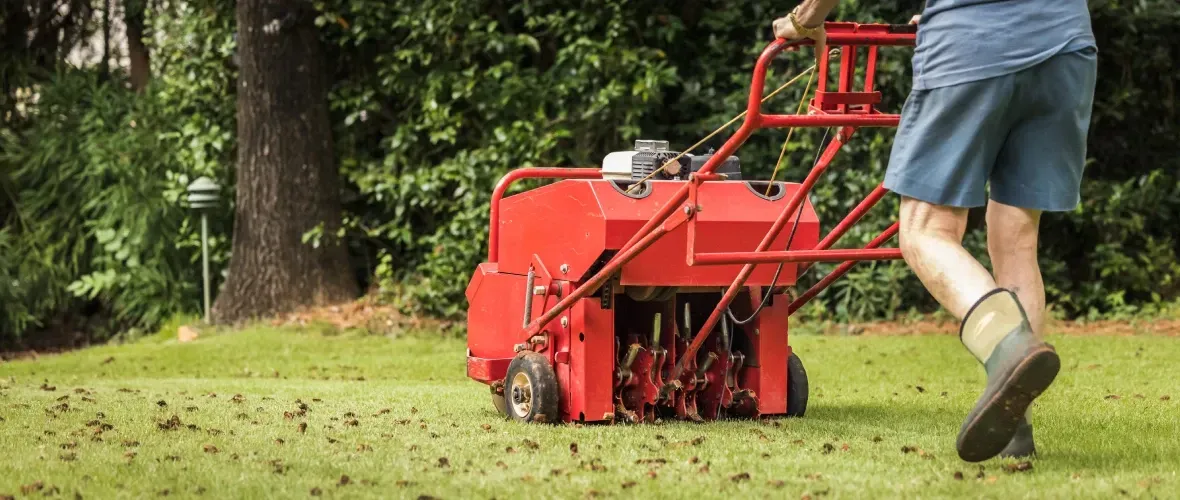
Aeration can help lawns with hard or compacted soil by creating openings for air, water, and nutrients to reach the root zone. It may be useful in areas with heavy foot traffic or poor water absorption. The timing should allow the grass enough active growth to recover before colder weather.
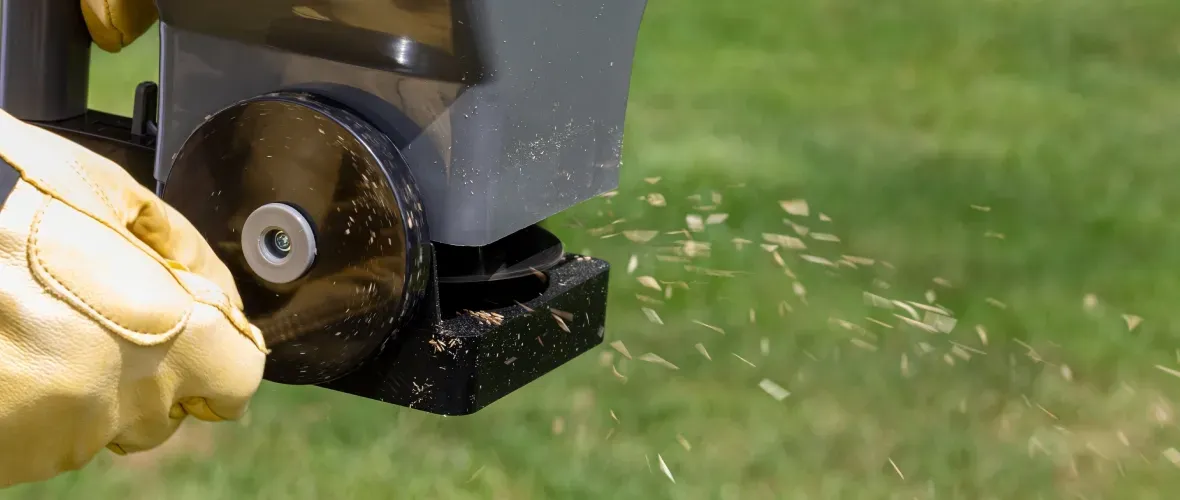
Overseeding can improve winter color or cover thin areas, but it is not necessary for every property. The decision should be based on the condition of the lawn and how overseeding may affect spring growth. Weed control plans should also be considered before new seed is applied.
Remove Leaves and Seasonal Debris
Thick layers of leaves can block sunlight, hold moisture, and cover healthy turf. Regular leaf removal helps keep the lawn open and reduces damp conditions near the soil surface. It also keeps the property looking maintained throughout the fall season.
Fall cleanup can also make it easier to identify:
- Thin or bare grass
- New weed growth
- Irrigation problems
- Uneven or compacted areas
Finding these concerns before winter provides more time to determine the right next step. It can also prevent small problems from being overlooked under leaves and debris. A cleaner lawn is easier to monitor as it moves into dormancy.
Prepare Your Sherman Lawn for Winter
Effective lawn winterization in Sherman, TX includes proper mowing, weed prevention, careful fertilization, irrigation adjustments, aeration, overseeding, and seasonal cleanup. Each task should be based on the condition of the lawn rather than completed automatically. A balanced approach can help protect the turf without encouraging unnecessary late-season growth.
Contact us today to schedule fall lawn care in Sherman, TX.
Flying G Ag Solutions can help prepare your North Texas lawn for winter based on the condition of your property. The right seasonal care can support a cleaner lawn now and healthier growth in spring.
Recent Posts