How to Tell If Your Lawn Has a Drainage Problem in North Texas
Christopher Grice • August 5, 2026
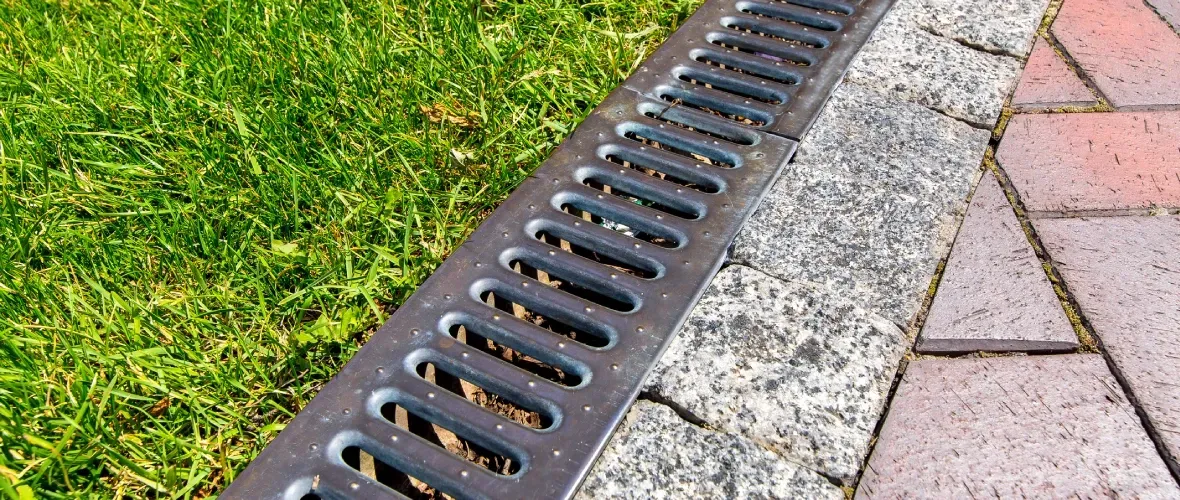
Standing water after a strong North Texas storm is not always unusual. However, puddles that repeatedly form in the same areas may point to uneven grading, compacted soil, irrigation problems, or poor ground preparation. These conditions can weaken turf, create muddy areas, and make parts of the property difficult to maintain.
Recognizing the warning signs can help you determine which property service may address the underlying issue. Depending on the cause, the lawn may benefit from irrigation repairs, lawn care, grading, dirtwork, site preparation, sod installation, or other landscaping improvements. The goal is to correct the condition affecting the lawn rather than repeatedly replacing damaged grass.
Signs Your Lawn Has a Water Problem
Problems are usually easiest to identify during or shortly after rainfall. Pay attention to where water collects, how long the soil remains wet, and whether runoff moves toward structures. Recurring symptoms are more concerning than a temporary puddle after an unusually heavy storm.
Common warning signs include:
- Standing water that remains after the rain
- Soft or muddy areas that are difficult to mow
- Yellow, thinning, or dying grass
- Soil, mulch, or rock washing away
- Visible low spots or uneven ground
- Water flowing toward buildings
- Wet areas during otherwise dry weather
- Sod that sinks or struggles to establish
What Could Be Causing the Problem?
Several conditions can create standing water in a yard. Some are related to the shape and condition of the ground, while others come from irrigation or damaged turf. A property may also have more than one contributing issue.
| What You Notice | Possible Cause | Related Service |
|---|---|---|
| Water collects in a low area | Uneven ground or soil settlement | Grading and dirtwork |
| Runoff moves toward a structure | Incorrect property slope | Grading and site preparation |
| Soil stays wet after light rain | Compacted ground | Dirtwork and soil preparation |
| One area is wet during dry weather | Irrigation leak or overwatering | Irrigation troubleshooting and repair |
| Grass repeatedly dies in one area | Saturated or poorly prepared soil | Lawn care and landscaping |
| Sod sinks or remains muddy | Inadequate ground preparation | Site preparation and sod installation |
How Grading and Dirtwork Can Help
Water naturally moves toward the lowest part of a property. When the yard contains depressions, uneven elevations, or an incorrect slope, runoff may settle in the lawn instead of continuing across the property. Yard grading in Sherman, TX, can reshape affected areas and create a more functional surface.
Grading and dirtwork may involve:
- Removing excess soil from high areas
- Adding suitable material to low spots
- Reshaping uneven sections
- Leveling and compacting the ground
- Preparing the area for sod or landscaping
The entire affected area should be considered before soil is moved. Filling one puddle without evaluating the surrounding elevations may simply move the water to another location. Proper site preparation creates a stronger foundation for future lawn and landscape improvements.
Check the Irrigation System
Standing water in a yard is not always caused by rain or grading. A broken sprinkler head, leaking line, overlapping coverage, or excessive watering schedule can keep one area constantly saturated. Wet soil during an extended dry period is a strong reason to inspect the irrigation system.
Possible signs of an irrigation issue include:
- Water pressure suddenly changes
- One sprinkler zone runs longer than expected
- Water pools around a sprinkler head
- The same area remains wet during dry weather
- Sprinklers water driveways or already-saturated areas
Irrigation troubleshooting and repairs can correct leaks, damaged components, and uneven coverage. Smart watering controls and seasonal schedule adjustments can also help reduce overwatering. Better irrigation performance supports healthier turf while limiting unnecessary water use.
Restore the Lawn After Correcting the Cause
Damaged grass should not be replaced until the ground or irrigation issue has been addressed. Installing sod or applying hydroseed over a recurring wet spot may lead to the same turf problems again. Correcting the foundation first gives new grass a better chance to establish.
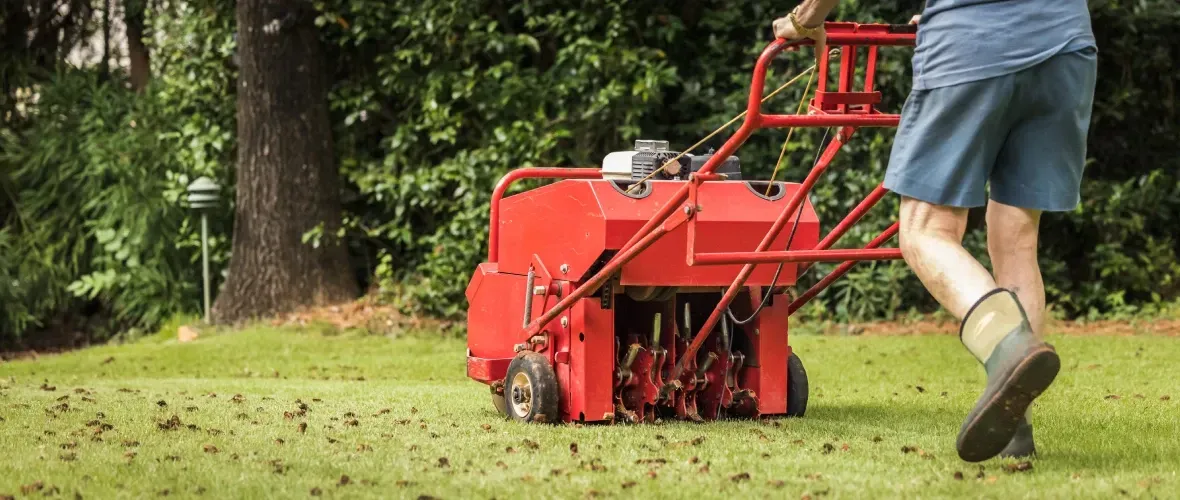
Restoration may include soil preparation, leveling, sod installation, hydroseeding, aeration, overseeding, or lawn care treatments. The right option depends on the size of the damaged area and the condition of the existing turf. Ongoing lawn maintenance can then help keep the restored area clean, even, and manageable.
When Should the Property Be Evaluated?
Consider scheduling an evaluation when standing water repeatedly remains after rainfall, grass continues to decline, or soil is visibly washing away. Water moving toward a structure and large muddy areas should also be addressed before the problem becomes more difficult to manage. Photos or videos taken during rainfall can help show where the water begins and how it moves.
A professional evaluation can determine whether the cause is related to irrigation, uneven grading, compacted soil, or poor site preparation. From there, the appropriate service can be selected based on the property’s actual condition. This prevents unnecessary work and helps create longer-lasting results.
Improve Your North Texas Lawn With the Right Property Services
Recurring standing water may indicate that the lawn, irrigation system, or underlying ground needs attention. Grading, dirtwork, site preparation, irrigation repairs, lawn care, and landscaping improvements can each play a role depending on the source of the problem. Addressing the cause can create a healthier lawn and a more functional outdoor area.
Contact us today to discuss your Sherman-area property.
Flying G Ag Solutions can evaluate the lawn and recommend the appropriate grading, dirtwork, irrigation, lawn care, or landscaping service for its condition.
Recent Posts